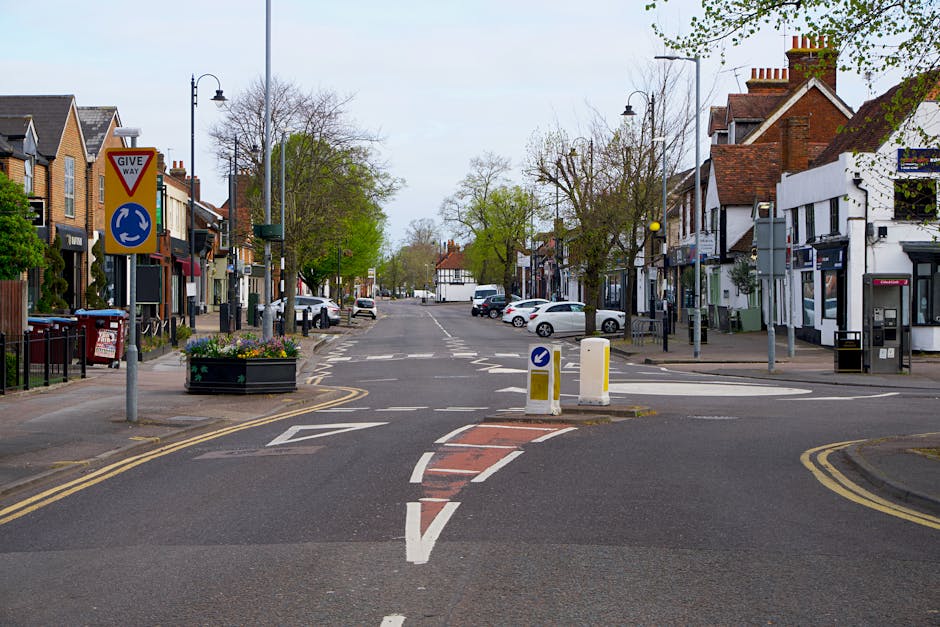
Barnet High Street house removals local guide

Moving house around Barnet High Street can feel straightforward on paper and oddly complicated in real life. One minute you are measuring a sofa, the next you are thinking about parking, narrow loading space, boxes on the stairs, and whether your removal van can actually stop without upsetting half the street. This Barnet High Street house removals local guide is here to make the whole thing feel more manageable. It covers planning, access, timing, local moving decisions, and the small details that often decide whether a move feels calm or chaotic.
If you are comparing house removals, looking at a house removals service, or simply trying to work out what kind of van suits a high street move, you will find practical answers here. I will keep it local, realistic, and useful. No fluff. Just the bits that matter when you are trying to move without making life harder than it needs to be.
Why Barnet High Street house removals local guide matters
Barnet High Street has the kind of everyday movement that makes a local move look easier than it is. There is normal town-centre activity, turning traffic, pedestrians stepping out from shop fronts, and the usual pressure of getting everything done on time. For a house move, that matters. A removal team that understands the area will think differently about arrival windows, loading time, and how to work around busy periods.
The real benefit of a local guide is simple: it helps you avoid assumptions. A house move is not just about lifting boxes. It is about access, timing, property type, street layout, parking, stairways, fragile items, and how much support you need on the day. To be fair, most moving stress comes from small missed details, not the big stuff.
Local knowledge also helps you choose the right kind of service. Some moves are fine with a simple man and van arrangement. Others need a fuller team, more protection for furniture, or a larger vehicle. If you live above a shop, in a tight terrace, or in a property with limited access, that choice matters a lot more than people expect.
Expert summary: The best Barnet High Street house move is not the cheapest one on paper. It is the one that matches your access, volume, timing, and packing needs properly from the start.
How Barnet High Street house removals local guide works
A good local move usually follows the same broad pattern, but the details change depending on your property and how much you are moving. First, you describe what needs to go, where it is coming from, and where it is going. Then the mover works out the right vehicle, number of movers, and likely time needed. If you are using removals near me search results, this is the point where local experience separates useful providers from vague ones.
For Barnet High Street specifically, the process should include access questions: Can a van stop close enough to the entrance? Is there a lift or only stairs? Are there parking restrictions, one-way sections, or loading limitations? Does the building share access with other flats or businesses? These are not minor questions. They can change the whole moving plan.
Most house removals work best when they are treated as a short project rather than a one-day panic. That means pre-packing, labelling, disassembling bulky furniture, and confirming the route in advance. If you want extra support, services such as packing and unpacking services can take a huge amount of pressure off the day itself.
Truth be told, the move often feels smoothest when everyone knows who is doing what before the van arrives. A quick ten-minute conversation can save an hour of awkward back-and-forth at the kerb.
Key benefits and practical advantages
Using a local, well-planned removals service around Barnet High Street brings a few clear advantages.
- Better timing: local teams are more likely to understand when the area is busier and how to plan around it.
- Smarter vehicle choice: you are less likely to end up with a van that is too small or awkward for the street.
- Less wasted effort: when access is planned properly, there is less carrying back and forth.
- Lower damage risk: fewer rushed moves through tight hallways, doorways, and staircases.
- More realistic pricing: a properly assessed move is usually more accurate than a quick guess.
There is also something less obvious: good planning protects your energy. Moving day can be noisy, dusty, and a bit emotionally draining, especially if you are leaving a place you have lived in for years. If the logistics are under control, you notice the move for the right reasons, not because the whole thing is turning into a scramble.
For heavier or more awkward furniture, a service like moving van support can be more practical than trying to bodge the job with a small car and a lot of optimism. We have all seen that plan. It rarely ends well.
Who this is for and when it makes sense
This guide is useful if you are:
- moving from a flat, maisonette, or terraced home near Barnet High Street
- relocating within New Barnet, East Barnet, or nearby streets with similar access issues
- choosing between a full house removal and a lighter moving service
- trying to move furniture, white goods, boxes, and personal items in one trip
- needing a local option that feels more flexible than a large national chain
It also makes sense if you are moving on a tight schedule. Maybe you have a morning key handover, maybe your new place is only a short drive away, or maybe you are trying to fit everything around work and childcare. In those cases, a local team can be easier to coordinate than a service that does not know the area at all.
Some people only need a simple man with van service for a few larger items and the rest of their belongings already boxed up. Others need proper house movers who can handle furniture protection, loading order, and careful placement in the new property. Matching the job to the service is half the battle.
Step-by-step guidance
Here is the practical version of how to approach a Barnet High Street house move without overcomplicating it.
- Take stock of everything you are moving. Walk room by room and list the bulky pieces, fragile items, and anything awkward. Be honest. The old coat rack in the corner counts.
- Check access at both properties. Measure doorways, stair width, lifts, and any tight turns. Note whether parking is close by or if the van may need to wait a short distance away.
- Choose the right level of service. A smaller move might suit man and van removals, while larger household moves may need a more structured approach.
- Book early enough to secure your preferred time. That is especially sensible if your move falls near a weekend or the end of the month.
- Pack in layers, not in chaos. Start with low-use rooms. Label boxes clearly by room and, if helpful, by priority.
- Protect furniture properly. Wrap corners, remove loose shelves, and tape drawers or doors that might swing open.
- Prepare essentials separately. Kettle, chargers, documents, keys, medication, snacks. The bits you need fast.
- Confirm the moving plan the day before. Recheck start time, contact number, property access, and any special handling notes.
That sequence may sound basic, but it works. Most smooth moves are not clever; they are simply well prepared.
Expert tips for better results
First, do not underestimate how much time access can add. A move that looks like two hours on paper can easily stretch if the van is parked far away or if there are repeated trips up and down stairs. If the property has awkward access, say so early. That is not a nuisance; it is useful information.
Second, keep the loading order sensible. Put the largest and heaviest items in first, then build around them with boxes and lighter pieces. It sounds obvious, but I have seen plenty of moves where a mattress ends up blocking the rest of the load. Slightly ridiculous, but there it is.
Third, protect your floors and walls if you are doing any manual moving inside the home. Old hardwood, painted banisters, and tight hallways do not mix well with rushed lifting. A careful team should work slowly in narrow spaces rather than trying to force everything through in one go.
Fourth, use a specialist service where it genuinely helps. For example, if you need help shifting large items before or after the main move, furniture pick up can be a cleaner solution than trying to fit everything into the same moving day. That can be especially useful if you are decluttering before completion.
Finally, keep communication simple. One contact person, one list, one clear plan. Moving day already has enough noise without five people giving slightly different instructions.
Common mistakes to avoid
Some moving mistakes are almost comically common. Not funny when you are the one dealing with them, of course.
- Underestimating the volume: if you guess too low, the vehicle may be too small.
- Ignoring parking and access: this can create delays before the first box has even moved.
- Packing fragile items badly: loose glassware and unwrapped lamps are asking for trouble.
- Leaving essentials in random bags: then nobody can find the chargers, naturally.
- Booking without checking what is included: some services are transport-only, while others include loading, unloading, or packing support.
- Forgetting building rules: flats and managed properties sometimes have move-in windows or access conditions.
There is also the classic mistake of assuming that because the destination is nearby, the move will be easy. Nearby is convenient, yes. Easy is not always the same thing. A short route through a busy high street can still involve a lot of careful timing.
Tools, resources and recommendations
You do not need a huge toolkit for a successful move, but a few practical items make life simpler.
- Strong boxes: use similar-sized boxes where possible so stacking is safer.
- Packing tape and labels: boring, yes. Essential, also yes.
- Furniture blankets or wrap: useful for protecting tables, mirrors, and appliances.
- Marker pens: label every box on at least two sides.
- Trolley or sack truck: helpful for heavier items when access allows.
- Inventory list: keep a basic checklist of what is in each room.
If you are comparing moving help, start with the broader service pages and then narrow down based on your needs. A general removal services page can be useful when you are deciding between packing support, transport-only help, or a full household move. And if you are still unsure which type of provider fits your situation, browsing the local removal company options can help you judge what feels credible and practical.
For moving day planning, the most useful resource is often your own notes. A simple spreadsheet, paper checklist, or phone list can be enough. Fancy systems are not required. A calm brain is better than a fancy app anyway.
Law, compliance, standards, or best practice
House removals in the UK are not usually about complex legal theory, but there are still sensible standards to follow. A reputable mover should handle property carefully, communicate clearly, and operate with appropriate insurance and safe working practices. You should also expect straightforward terms and conditions, especially around what is included, what happens if access is restricted, and how extra waiting time is handled.
It is reasonable to ask whether a provider has procedures for health and safety, complaints, payment security, and insurance. Those things may sound dull until the day something needs resolving. Then they matter quite a lot. If you want a better sense of the company's approach, it is worth looking at pages such as health and safety policy, insurance and safety, payment and security, and terms and conditions.
There is also a broader best-practice expectation around sustainability. Reusing packing materials where suitable, reducing wasted trips, and disposing of unwanted items responsibly are all sensible habits. If your move includes decluttering, the service's recycling and sustainability information can help you understand how leftover items may be handled.
And a small but important point: if anything about the move is unclear, ask before moving day. It is always easier to clarify than to argue while standing on the pavement with a sofa.
Options, methods, or comparison table
Different move types suit different households. Here is a simple comparison to help you decide.
| Option | Best for | Strengths | Watch-outs |
|---|---|---|---|
| Man and van | Small to medium moves, a few bulky items | Flexible, usually quicker to arrange, good for local jobs | May not suit large household loads or lots of dismantling |
| House removals | Full home moves and larger inventories | More structured, better for multiple rooms and furniture | Needs clearer planning and more detailed booking information |
| Packing and unpacking support | Busy households, tight timelines, fragile items | Saves time, reduces stress, improves organisation | Adds extra cost and needs good coordination |
| Furniture-only collection | Decluttering, single-item transport, staged moves | Simple, efficient, good for pre-move clear-outs | Not ideal if you need the whole house moved |
If you are on the fence, think about your actual load, not just your address. A two-bed flat with a lot of furniture can be more demanding than a larger place with less stuff. Moving is funny like that.
Case study or real-world example
Here is a realistic example. A couple moving from a flat near Barnet High Street had a mix of standard boxes, a bed frame, a dining table, and several awkward items they had underestimated: a mirror, a bookshelf, and two overfilled storage tubs that turned out to be far heavier than they looked. Nothing dramatic. Just enough to make a "quick move" a bit less quick.
They initially thought a very small van would do the job because the destination was only a short distance away. Once they checked access, though, they realised the pickup point had limited loading space and a narrow internal staircase. A larger vehicle with careful loading made more sense, and they also chose to disassemble the bed beforehand. That tiny decision saved a lot of time. The move felt far less frantic because the plan matched the property, not just the postcode.
What worked well for them was not some magical moving trick. It was this:
- they measured the bulky furniture early
- they packed the fragile items properly
- they kept the essentials separate
- they spoke openly about access instead of hoping for the best
The result was a move that felt organised rather than heroic. And honestly, organised is better. Heroic is overrated when you are carrying a mattress through a corridor at 8:00 in the morning.
Practical checklist
Use this before moving day. It saves stress, especially if the schedule is tight.
- Confirm move date, time, and contact details
- Check parking and loading access at both addresses
- Measure large furniture and tight doorways
- Book the right vehicle and number of movers
- Pack fragile items separately and label clearly
- Disassemble furniture that will not fit safely assembled
- Prepare a box for essentials and documents
- Protect floors, corners, and delicate surfaces
- Keep keys, ID, chargers, and medication to hand
- Review the moving provider's policies and service inclusions
If you need broader household support, it may be worth reviewing home moves for a fuller picture of what a complete move can include. For larger or more formal relocations, there are also house removalists who can support more detailed planning and handling.
Conclusion
Barnet High Street house removals are easiest when you treat the move as a practical logistics job rather than a last-minute scramble. Measure the access. Pick the right service. Pack properly. Ask clear questions. Those steps sound simple, but they are the difference between a smooth move and a stressful one.
Whether you need a compact local move, a full household relocation, or help with packing and loading, the key is to match the service to the real shape of your move. Not the ideal version. The real one. That is where local knowledge earns its keep.
And if you are still weighing up the next step, take a breath. One clear decision at a time is enough.
Get a free quote today and see how much you can save.
Frequently Asked Questions
What makes Barnet High Street house removals different from a standard local move?
The main difference is access and timing. High streets usually involve more traffic, tighter stopping options, and more footfall, so the move needs a bit more planning than a quiet residential road.
Do I need a full removals team or will a man and van be enough?
It depends on volume, furniture size, and access. A smaller move with fewer items may suit a man and van arrangement, while a larger home or heavier furniture usually needs a fuller removals service.
How far in advance should I book a house move in Barnet?
As early as you can, especially if you are moving at a busy time of month or on a weekend. Early booking gives you more choice and more time to prepare properly.
What should I tell the removals company before moving day?
Tell them the number of rooms, any heavy or fragile items, parking restrictions, stair access, lift access, and whether furniture needs dismantling. The more accurate the information, the better the plan.
Can I use packing and unpacking help for a local move?
Yes. It is especially helpful if you are short on time, have lots of breakables, or simply do not want to spend the evening after moving day surrounded by unopened boxes.
What if the van cannot park right outside my property?
That is common in busy areas. A good mover will factor it into the plan, but you should mention it early because it may affect timing, labour, and the size of vehicle needed.
Are house removals insured?
Reputable movers should have suitable insurance arrangements, but you should always check what is covered and what is not. Do not assume; ask directly.
How can I reduce the cost of my move?
Pack ahead of time, declutter before moving day, disassemble furniture where sensible, and make access as easy as possible. Clear information also helps reduce avoidable delays.
Is it worth using a local mover instead of a larger national company?
Often, yes, especially for a local move near Barnet High Street. Local teams are usually better placed to understand the area's access quirks and can feel more flexible.
What items should I keep with me rather than in the van?
Keep essentials, valuables, documents, medication, chargers, keys, and anything you may need immediately after arrival. That small bag makes the first evening much easier.
Can I combine furniture collection with my house move?
Sometimes, yes. If you have items to move separately or want to clear space before the main relocation, a dedicated furniture collection service can be a smart add-on.
What is the most common reason a house move becomes stressful?
Usually it is not the distance. It is underestimating the practical details: access, packing, timing, and what actually needs moving. Get those right and the whole day feels lighter.